
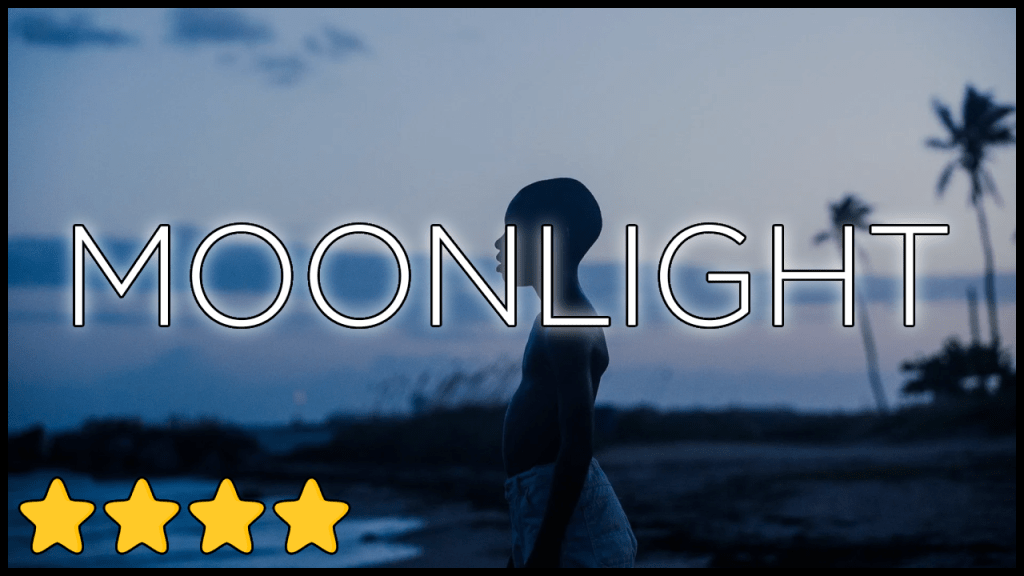
⭐⭐⭐⭐☆
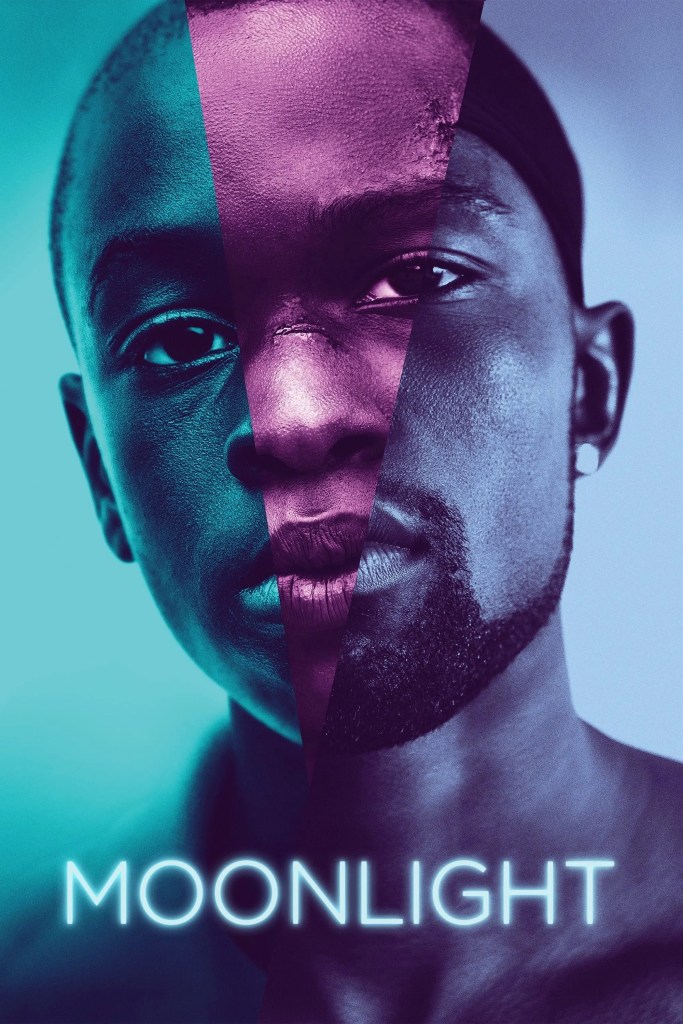
Moonlight is one of those films that doesn’t raise its voice — it doesn’t need to. It quietly pulls you in, sits you down, and asks you to feel. And by the time it’s over, you realize you’ve experienced something deeply human.
Directed by Barry Jenkins and based on Tarell Alvin McCraney’s play In Moonlight Black Boys Look Blue, the film follows Chiron through three stages of his life: childhood, adolescence, and adulthood. Growing up in a rough Miami neighborhood while grappling with his identity and sexuality, Chiron is shaped by bullying, addiction in his home, fleeting moments of kindness, and long stretches of isolation. The structure is simple, but the emotional journey is anything but.
Jenkins’ direction is patient and intimate. The camera lingers on faces. It stays in moments longer than most filmmakers would dare. There’s a softness to the cinematography by James Laxton — the blues and purples of Miami nights, the glow of streetlights, the way skin tones are captured with care. It feels personal. Nothing about this film feels rushed or manipulative. It trusts the audience to sit with discomfort, silence, and vulnerability.
The acting across the board is phenomenal. Alex Hibbert, Ashton Sanders, and Trevante Rhodes each play Chiron at different ages, and somehow it feels like one continuous performance. That alone is impressive. Mahershala Ali, as Juan, delivers a performance that is both commanding and tender — a drug dealer who becomes the closest thing Chiron has to a father figure. Naomie Harris as Paula, Chiron’s mother, is raw and heartbreaking without ever turning into a caricature of addiction. Every performance feels lived-in, grounded, and honest.
What makes Moonlight so powerful is its restraint. This isn’t a story built on big dramatic speeches or explosive confrontations. It’s about small moments — a swimming lesson, a quiet conversation, a touch on the beach — that define a person’s entire sense of self. It explores masculinity, vulnerability, sexuality, and identity in a way that feels incredibly specific yet universally relatable.
The story unfolds almost like memory. Scenes feel fragmented, sometimes abrupt, but intentionally so. Life doesn’t always give us neat transitions. And that final act — quiet, mature, and emotionally loaded — lands with a weight that lingers long after the credits roll.
Final Rating: ⭐⭐⭐⭐☆
Moonlight isn’t flashy, loud, or showy. It’s thoughtful, intimate storytelling done with precision and heart. It’s not just a film about identity — it’s about the cost of hiding who you are and the quiet courage it takes to finally be seen.


Leave a Reply