
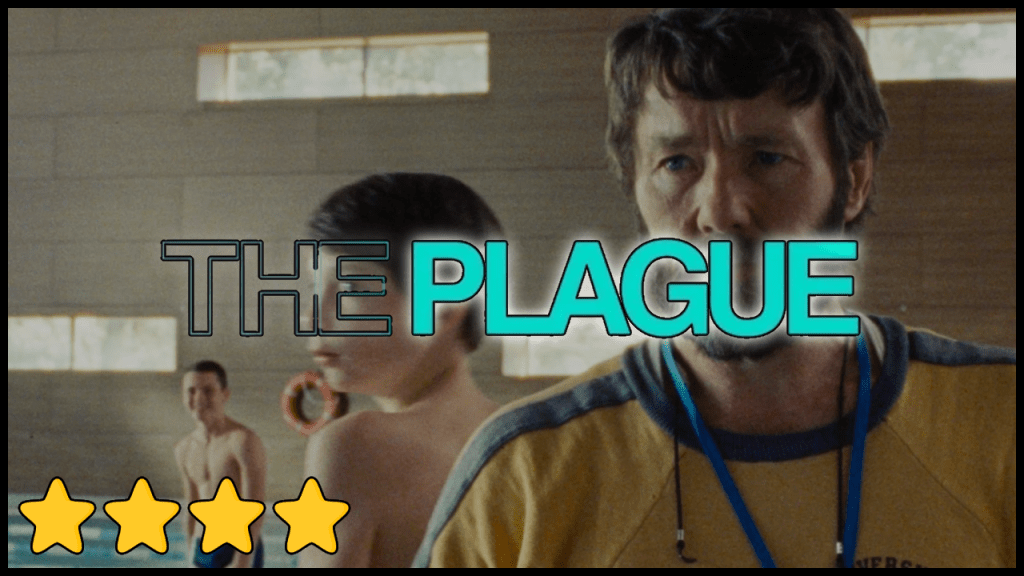
⭐⭐⭐⭐☆
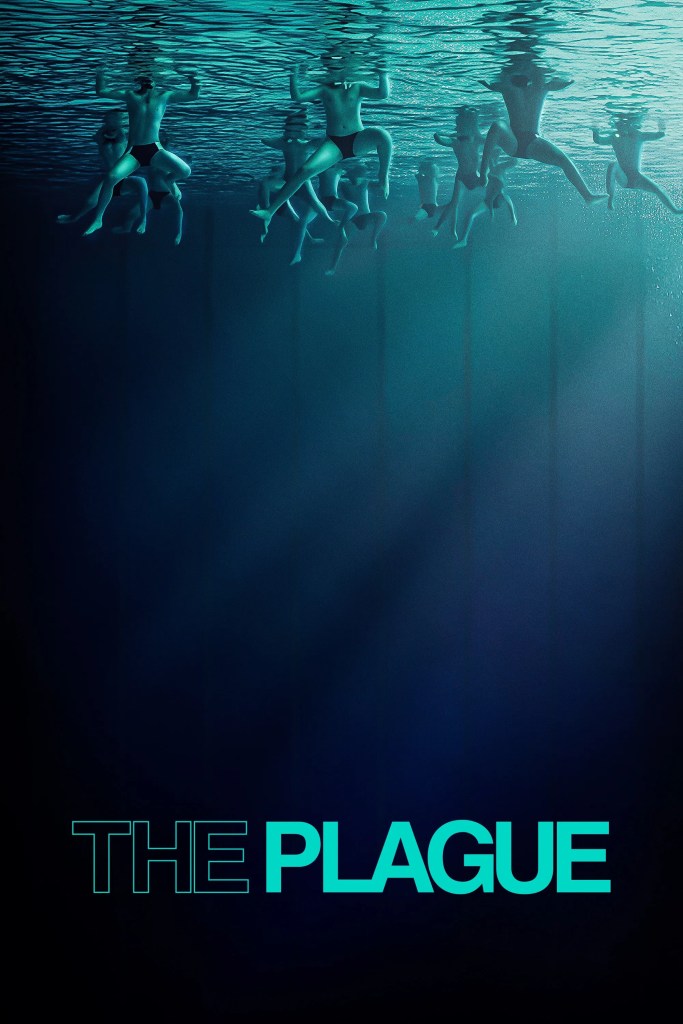
The Plague is the kind of movie that makes you uneasy from the opening moments and never lets that feeling go. I was filled with anxiety for pretty much the entire runtime — not in a cheap, jump-scare way, but in a slow, suffocating, sit-with-it kind of way.
A huge reason that tension works so well is the score. The music doesn’t just support what you’re watching — it actively elevates your emotions in a way that feels intrusive and uncomfortable. It crawls under your skin and stays there, constantly reminding you that something is off, even during quieter moments. It’s oppressive by design, and it absolutely works.
At its core, The Plague is a brutal examination of bullying. Not the exaggerated, movie-version kind, but the kind that feels painfully real: cruel pranks, verbal humiliation, social isolation, and the slow erosion of a person’s sense of self. The film never sensationalizes it. Instead, it forces you to sit in that discomfort and feel the cumulative damage of those actions.
The acting is incredible — and that’s especially impressive considering much of the cast is made up of child actors. Every performance feels authentic and grounded, never forced or melodramatic. You believe these kids, their dynamics, and the emotional weight of what’s happening to them, which makes the film hit even harder.
I’m also a big fan of Joel Edgerton, and he’s excellent here. His role is relatively small, but he makes the most of every moment. He brings a quiet authority and emotional gravity that leaves a lasting impression, even after he’s no longer on screen.
There isn’t much I can say about the story without drifting into spoiler territory, but the ending is worth mentioning. It’s slightly ambiguous, leaving you unsure of where the main character truly is mentally by the final frame. I’m still not entirely sure how I feel about it — but I can’t deny that it fits the story being told. Given the film’s themes, a clean or comforting resolution would’ve felt dishonest.
Final Rating: ⭐⭐⭐⭐☆
The Plague is tense, unsettling, and emotionally heavy in all the right ways, and I think it’s an important story to tell, even if uncomfortable. It’s powered by a haunting score, strong performances, and a brutally honest portrayal of bullying that lingers long after the credits roll. It may not offer easy answers, but it leaves a mark — and that’s what makes it work.
 MovieTalk+
Leave a comment